Agefield High Rock the School Agefield High Town and Neighborhoods
Shops, homes, and afternoon mission routes beyond the school gates.
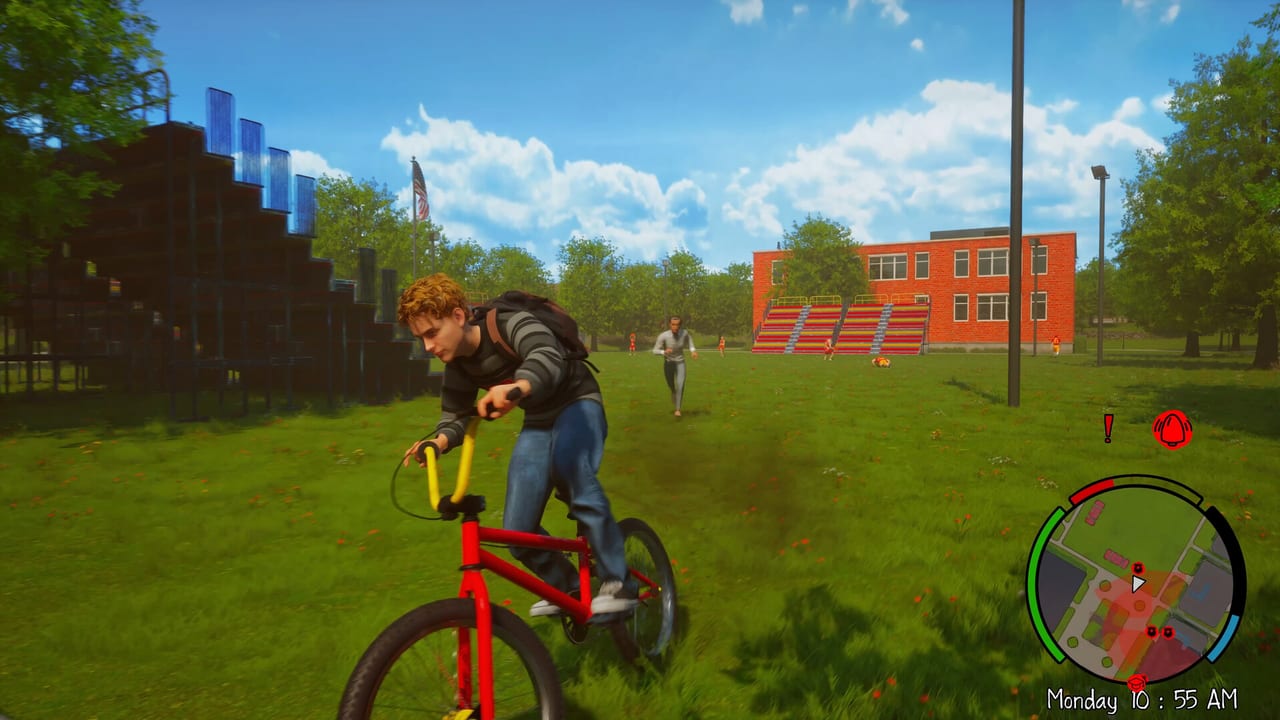
When class ends in Agefield High: Rock the School, the town calls. Refugium Games splits urban space into a central commercial town center and two neighborhoods — residential grids where classmates live, smaller encounters spawn, and routes fan out toward countryside edges documented in World Overview. This district layer hosts most shopping, many side missions, and police attention when Skip Class Guide habits spill off campus.
DayOne’s preview framed Agefield as spanning school grounds, town center, neighborhoods, and countryside in one seamless open world — not instanced fast-travel menus. That means neighborhood literacy directly affects how fast you complete afternoon objectives before the weekday clock advances.
Town center: commerce and chaos
The town center concentrates retail from Shops Guide: bikes, clothes, hairstyles, tattoos, accessories, and gag items referenced on the developer site. It is where grade money from School System Guide and side payouts from How to Earn Money turn into visible upgrades on Sam via Bikes and Customization.
Expect denser NPC crowds than neighborhoods — relevant for System Requirements on mid-tier GPUs at PC launch August 12, 2026. IGN noted rough edges in demo builds; town crowds are where frame drops would show first if optimization lags.
Shopping trips should be planned, not wandering. Cluster bike purchases with barber visits when Side Missions Guide already sends you commercial-side.
Two neighborhoods: quieter loops and residential tone
Dual residential neighborhoods diversify backdrops for fifteen side activities and friendship scenes with Kale and Axel without always returning to campus facades. They bridge school gates to rural roads when main missions need suburban tone shifts in Story Overview.
Exact neighborhood names are not public pre-release; we label them geographically until official signage appears in-game. Residential streets may host smaller flavor shops or mission givers separate from high-ticket town center vendors — plan exploratory afternoons on bike after Early Game Walkthrough opens gates.
Player pain point: assuming every house is enterable. Interior access for storefronts and homes is unconfirmed until mappers log interactables post-launch.
Police, truancy, and downtown fights
Developers highlight police reacting to truants leaving School Campus toward commercial strips. Fighting downtown carries Combat Tips visibility risks separate from teacher detentions on campus.
Perp Games’ marketing explicitly warns not to get caught by cops or teachers — town is where both authorities may intersect if you chain skip-class shopping with brawls. We do not invent chase durations pre-launch.
Travel tips and route efficiency
Buy a bike early to chain shop visits with side markers scattered across blocks. PC Controls sprint and mount bindings matter when timers tick during errands.
Without fast travel in press materials, neighborhood knowledge is your speed boost. Learn which alley connects neighborhood A to town center without looping past the school gate — community maps will refine paths after launch.
Console players on PS5, Xbox, or Switch later in 2026 should expect layout parity — note street date gaps in Platforms and Release. Switch portability may make neighborhood density feel busier on handheld mode; watch port reviews.
Tracking exploration and story overlap
Track explored streets on Senior Year Checklist. Main missions may temporarily lock districts; if a marker disappears, resume Walkthrough Hub main beats before assuming a bug.
Characters Hub adds context when side gigs feature classmates beyond the core trio. Items Hub explains spending priorities once town shops unlock.
Updates Hub notes if patches add vendors or close exploit alleys. Preview Roundup captures whether town emptiness was a demo limitation or shipping design — important for explorers expecting GTA-scale density.
Neighborhoods are where Agefield stops feeling like a school sim and starts feeling like a senior-year town — learn them early, shop them deliberately, and respect police attention when skipping bells.
Residential exploration without mission spoilers
Afternoon sunlight in marketing shots suggests neighborhoods shine during post-class hours — use that window for side markers that may not glow at night. Compare foot travel times between the two neighborhoods once before buying a bike; if the gap is under a minute on foot, defer bike savings for one more class day. Watch for NPC classmates who might ping optional content; Characters Hub helps names stick once dialogue is verified post-launch.
Frequently Asked Questions
Quick answers to the most common Agefield High questions.
Where are the main shops?
In the town center — bikes, clothes, hair, tattoos, and accessories per confirmed store categories.
How many neighborhoods are there?
Two neighborhoods plus a distinct town center, separate from the school campus.
Do side missions happen in town?
Yes — many of the fifteen side activities play out across town districts and countryside.
Will police chase me in town?
Truancy-related police reactions are confirmed in concept; exact chase rules await launch.
Can I enter all buildings?
Interior access for every storefront is unconfirmed until players map interactables post-launch.